Introduction
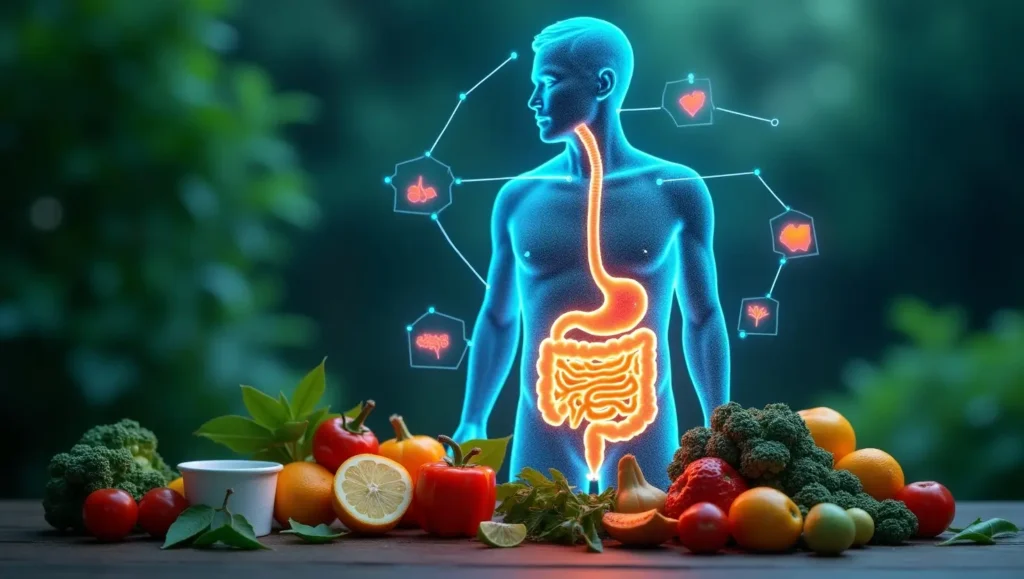
Your gut health plays a crucial role in digestion, immunity, and even mental well-being. However, many people suffer from bloating, poor digestion, and low energy due to an unhealthy gut. The good news is that you can improve gut health naturally through diet, lifestyle changes, and mindful habits. In this article, Health Kendra explores the best ways to restore and maintain a healthy gut while preventing common digestive issues.
Why Gut Health Matters
A well-balanced gut microbiome supports:
- Better Digestion: Reduces bloating, gas, and constipation.
- Stronger Immunity: Around 70% of your immune system is located in your gut.
- Improved Mental Health: The gut-brain connection influences mood and cognitive function.
- Nutrient Absorption: A healthy gut ensures your body absorbs essential nutrients properly.
- Reduced Inflammation: A balanced gut reduces chronic inflammation, which is linked to many diseases.
Thus improving gut health naturally.
Signs of an Unhealthy Gut
If you experience any of these symptoms, your gut health may need improvement:
- Frequent bloating and indigestion
- Chronic fatigue or low energy
- Skin problems like acne or eczema
- Food intolerances or sensitivities
- Unexplained weight fluctuations
- Frequent colds or infections
- Autoimmune disorders
How to Improve Gut Health Naturally
1. Eat More Probiotic Foods
Probiotics are beneficial bacteria that promote gut health. Include these in your diet:
- Yogurt with live cultures
- Kefir
- Sauerkraut
- Kimchi
- Miso and tempeh
- Kombucha
2. Increase Fiber Intake
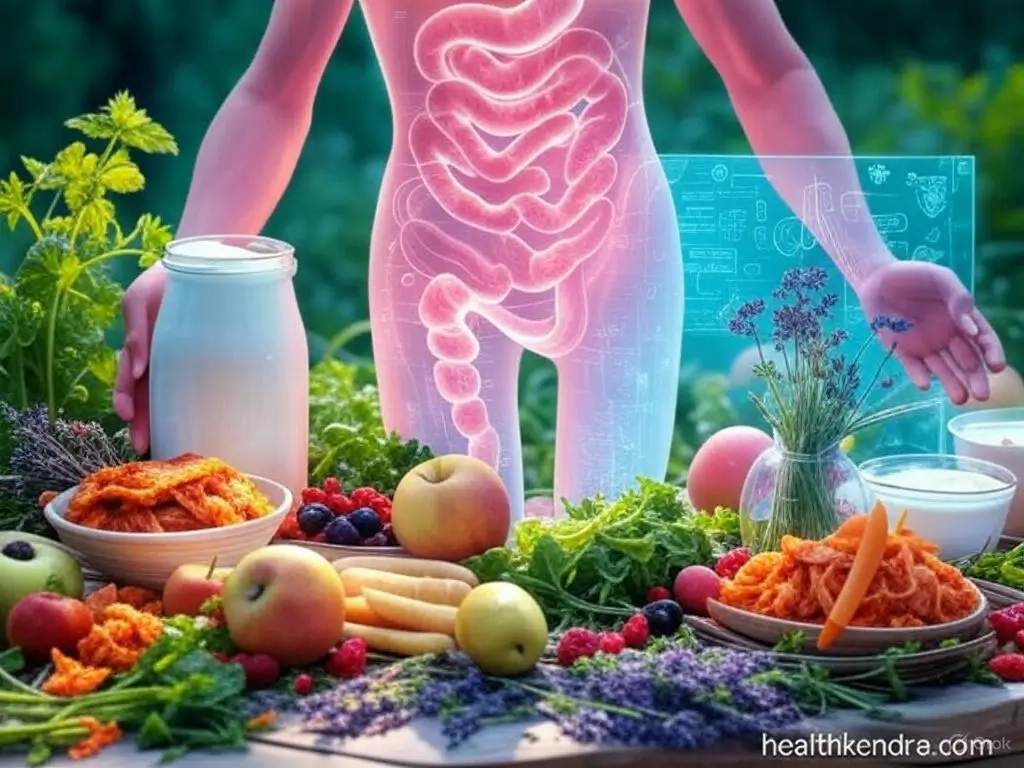
Fiber feeds good bacteria in your gut and supports digestion and helps in improving gut health naturally. High-fiber foods include:
- Whole grains (oats, quinoa, brown rice)
- Vegetables (broccoli, carrots, leafy greens)
- Fruits (apples, bananas, berries)
- Nuts and seeds (chia, flaxseeds, almonds)
- Legumes (lentils, beans, chickpeas)
3. Stay Hydrated
Drinking enough water aids digestion and helps good bacteria thrive. Aim for at least 8-10 glasses of water per day. Herbal teas like ginger or peppermint tea can also aid gut health.
4. Manage Stress
Chronic stress negatively affects gut health. Reduce stress through:
- Meditation and deep breathing exercises
- Regular physical activity
- Quality sleep and relaxation techniques
- Spending time outdoors
5. Avoid Processed Foods and Sugar
Excess sugar and processed foods can disrupt gut bacteria balance. Limit sugary snacks, artificial sweeteners, and fast food, as they promote harmful gut bacteria.
6. Get Enough Sleep
Poor sleep can lead to gut imbalances. Aim for 7-9 hours of quality sleep each night to allow your gut microbiome to recover and function optimally. As a result it will help in improving gut health naturally.
7. Consume Prebiotics
Prebiotics are fibers that feed good bacteria. Add these to your diet:
- Garlic and onions
- Leeks and asparagus
- Bananas and apples
- Oats and barley
- Dandelion greens
8. Exercise Regularly
Physical activity enhances gut function. Moderate exercises like walking, yoga, and strength training improve gut bacteria diversity and digestion. Exercise helps a lot in improving gut health naturally.
Future Trends in Gut Health
- Personalized Probiotics: Tailored supplements based on your gut microbiome.
- Prebiotic-Rich Diets: Increased focus on foods that feed good bacteria.
- Gut-Brain Therapy: Integrating mental health strategies for improved gut function.
- Microbiome Testing: Advanced tests to personalize diet and supplement recommendations.
FAQs
1. Why is gut health important?
A healthy gut supports digestion, immunity, and even brain function. Health Kendra emphasizes the importance of maintaining a balanced gut microbiome for overall wellness.
2. How long does it take to improve gut health?
With proper diet and lifestyle changes, noticeable improvements can be seen in a few weeks to a few months.
3. What foods should I avoid for gut health?
Avoid processed foods, excessive sugar, artificial sweeteners, and alcohol, as they can disrupt your gut balance and promote harmful bacteria.
4. Can stress affect gut health?
Yes, stress can negatively impact gut bacteria and digestion. Managing stress is key to maintaining a healthy gut.
5. Do antibiotics harm gut health?
Yes, antibiotics can wipe out good bacteria along with bad ones. If you must take them, include probiotic-rich foods to restore gut balance.
Conclusion
Improving gut health naturally is possible with the right diet, lifestyle, and mindfulness. By making small but effective changes, you can experience better digestion, stronger immunity, and overall wellness. Keep following Health Kendra blogs for more expert health tips and natural remedies!