
Introduction
A vegan diet for heart health is one of the most effective ways to promote cardiovascular wellness. Research has consistently shown that a plant-based diet can lower cholesterol levels, blood pressure, and the risk of heart disease. By eliminating animal products and focusing on nutrient-dense plant foods, individuals can support heart function and improve overall well-being.
But how exactly does a vegan diet protect the heart? Let’s explore its key benefits, the best heart-friendly plant-based foods, and practical tips for maintaining a balanced vegan diet. Vegan Diet for Heart Health.
How a Vegan Diet Benefits Heart Health
1. Lowers Bad Cholesterol (LDL)
Animal-based foods like meat, dairy, and eggs contain high levels of saturated fats and cholesterol, which can lead to artery blockages and increase the risk of heart disease. In contrast, a vegan diet is naturally cholesterol-free and rich in fiber, which helps reduce low-density lipoprotein (LDL) cholesterol, often referred to as “bad cholesterol.” Vegan Diet for Heart Health.
2. Reduces Blood Pressure
High blood pressure, or hypertension, is a major risk factor for heart disease. A plant-based diet is abundant in potassium-rich foods like bananas, avocados, and leafy greens, which help lower blood pressure. Additionally, vegan diets tend to be lower in sodium and processed foods, further contributing to better heart health. Vegan Diet for Heart Health.
3. Improves Blood Circulation and Arterial Function
Fruits, vegetables, whole grains, nuts, and seeds contain antioxidants and polyphenols that support healthy blood vessels and circulation. These compounds reduce inflammation and help keep arteries flexible, improving overall cardiovascular function. Vegan Diet for Heart Health.
4. Helps Maintain a Healthy Weight
Excess weight puts additional strain on the heart and increases the risk of developing conditions like diabetes and high blood pressure. Vegan diets, which are typically lower in calories and higher in fiber, promote sustained weight loss and healthy weight management. Vegan Diet for Heart Health.
5. Lowers the Risk of Type 2 Diabetes
Diabetes is a significant risk factor for heart disease. A whole-food, plant-based diet has been shown to improve insulin sensitivity and regulate blood sugar levels, reducing the likelihood of developing type 2 diabetes and its associated heart risks. Vegan Diet for Heart Health.
Best Plant-Based Foods for Heart Health
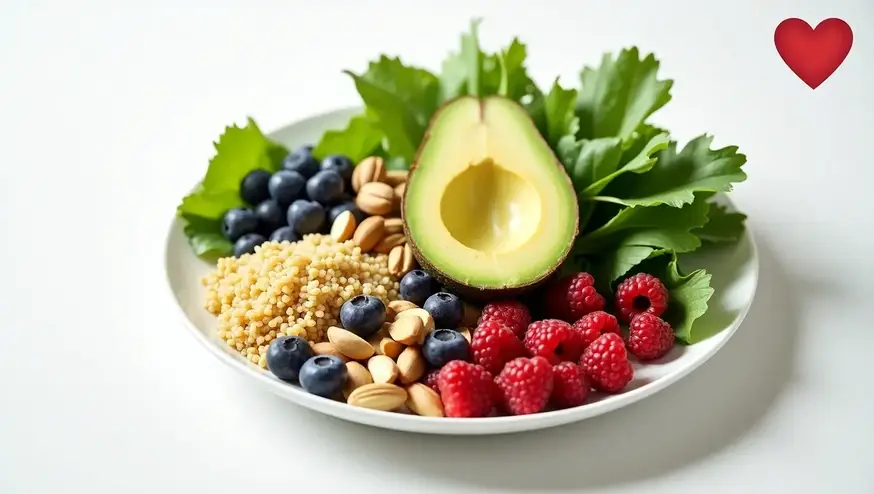
- Leafy Greens – Spinach, kale, and Swiss chard are high in nitrates, which improve blood vessel function.
- Berries – Blueberries, strawberries, and raspberries contain antioxidants that protect the heart.
- Whole Grains – Oats, quinoa, and brown rice help lower cholesterol levels.
- Nuts and Seeds – Almonds, walnuts, flaxseeds, and chia seeds provide heart-healthy omega-3 fatty acids.
- Legumes – Beans, lentils, and chickpeas are excellent sources of protein and fiber that support heart health.
- Avocados – Rich in monounsaturated fats, avocados help lower bad cholesterol.
- Dark Chocolate (at least 70% cocoa) – Contains flavonoids that improve heart health when consumed in moderation.
Tips for Maintaining a Heart-Healthy Vegan Diet
- Eat a variety of whole plant foods to ensure you get all essential nutrients.
- Limit processed vegan foods, which may contain added sugars, unhealthy fats, and excessive sodium.
- Ensure adequate vitamin B12 intake through fortified foods or supplements, as it is essential for red blood cell production and heart function.
- Stay hydrated by drinking plenty of water and herbal teas.
- Exercise regularly to support cardiovascular health and enhance the benefits of a plant-based diet.
FAQs
Is a vegan diet the best for heart health?
A well-balanced vegan diet is one of the most effective ways to improve heart health by reducing cholesterol, blood pressure, and inflammation.
Can a vegan diet reverse heart disease?
Studies suggest that a plant-based diet can help reverse heart disease symptoms by improving artery function and reducing plaque buildup.
What nutrients should I focus on in a vegan diet for heart health?
Ensure sufficient intake of omega-3 fatty acids, fiber, vitamin B12, magnesium, and potassium to support optimal heart function.
Are plant-based fats healthy for the heart?
Yes! Healthy plant-based fats from sources like avocados, nuts, seeds, and olive oil support heart health when consumed in moderation.
Conclusion
A vegan diet for heart health provides numerous benefits, including lower cholesterol, reduced blood pressure, and improved circulation. By incorporating a variety of nutrient-dense plant-based foods, individuals can significantly reduce their risk of heart disease while enjoying a balanced and delicious diet. Transitioning to a heart-healthy vegan lifestyle can be one of the best decisions for long-term wellness.

